How Exfoliating Facials Can Improve Skin Texture
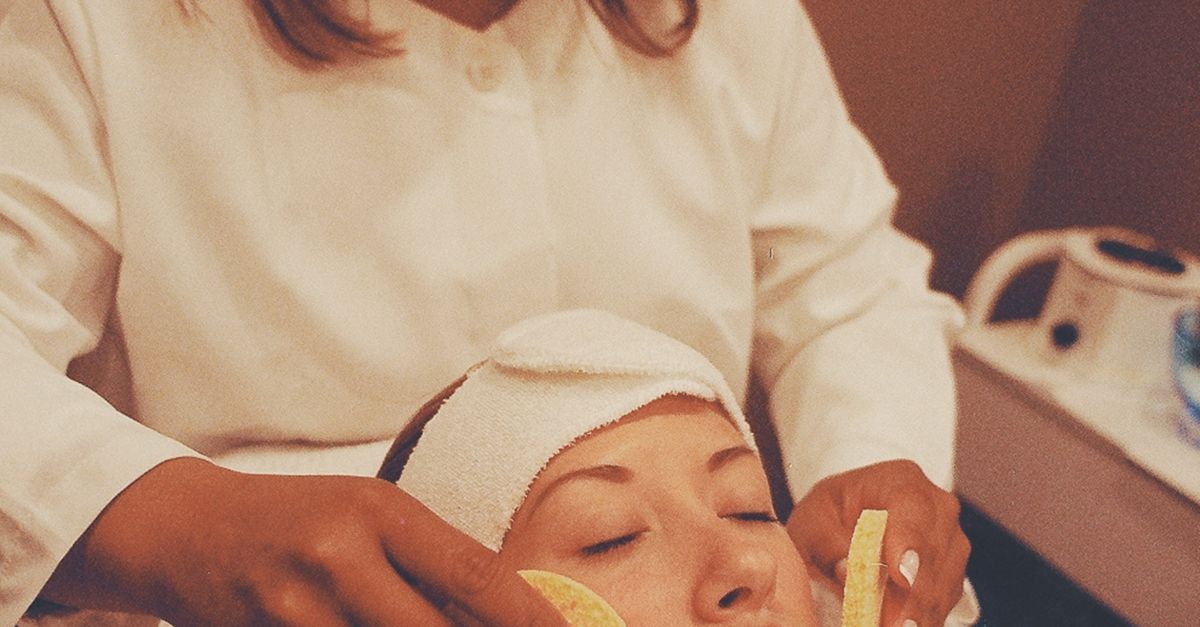
Table Of Contents
Frequency of Exfoliating Facials
Exfoliating facials can play a crucial role in achieving healthy skin, but the frequency of treatments is essential to maximise their benefits. Generally, it is recommended to undergo exfoliating facials every four to six weeks. This timeline allows the skin to regenerate effectively while minimising the risk of irritation. Individuals with sensitive or reactive skin may require a more tailored approach, opting for longer intervals between treatments to ensure the skin remains comfortable and balanced.
At-home exfoliation can complement professional treatments but should be approached with caution. Many skincare experts suggest using gentle exfoliating products a couple of times a week in conjunction with facials. Over-exfoliation can strip the skin of essential oils and lead to dryness or sensitivity. It is vital to listen to your skin and adjust the frequency of both professional and at-home treatments based on its response and condition.
How Often Should You Get One?
The ideal frequency for exfoliating facials can vary depending on individual skin type and concerns. Generally, many skincare professionals recommend scheduling these treatments every four to six weeks. This timeframe allows the skin to naturally renew itself while still benefiting from the increased cell turnover that exfoliation provides. Sensitive skin types might require a longer interval between treatments to avoid irritation.
Monitoring your skin’s response will help in determining the right rhythm for you. If you notice signs of over-exfoliation, such as redness or increased sensitivity, it may be a sign to adjust the frequency. For those with oily or acne-prone skin, more regular treatments might be beneficial, while dry or mature skin types might thrive with less frequent sessions. Personalising your approach is key to achieving optimal results.
At-Home vs. Professional Exfoliating Facials
Many individuals opt for at-home exfoliating facials due to convenience and cost-effectiveness. A variety of products are available, allowing users to cater their exfoliation methods to personal skin types. Home treatments often involve scrubs or chemical exfoliants that can be applied with minimal effort. Nevertheless, results may vary significantly based on the products chosen and how consistently they are used.
On the other hand, professional exfoliating facials provide expert care and tailored solutions that often yield more effective results. Trained aestheticians assess skin types and conditions, choosing treatments that best suit individual needs. These sessions often include deeper exfoliation techniques, such as microdermabrasion or chemical peels, which can enhance skin texture more rapidly than at-home options. The therapeutic environment also offers a level of relaxation that can enhance the overall skincare experience.
Weighing the Pros and Cons
When considering exfoliating facials, it’s essential to evaluate the benefits alongside potential drawbacks. One significant advantage is the immediate improvement in skin texture, which can leave the complexion looking brighter and more youthful. Many individuals appreciate the professional products and techniques used during these treatments, which often deliver superior results compared to at-home methods. Enhanced skin cell turnover can also contribute to long-term benefits, such as minimised appearance of fine lines and reduced blemishes.
On the other hand, professional exfoliating facials can come with a higher price tag than at-home alternatives. There may also be a risk of over-exfoliation if treatments are performed too frequently, leading to skin irritation or sensitivity. Individuals with certain skin conditions might find that they are not suitable candidates for aggressive exfoliation techniques, making it crucial to consult with a skincare specialist before committing to a regular exfoliation regimen.
Post-Facial Skincare Routine
After an exfoliating facial, it's important to follow a structured skincare routine to maximise the benefits gained from the treatment. Start with a gentle cleanser to remove any remnants of products used during your facial. This step prepares your skin to absorb subsequent treatments more effectively. Following cleansing, a soothing toner can help restore your skin’s pH balance, calming any post-exfoliation irritation.
Hydration plays a key role in post-facial care. A nourishing serum, rich in antioxidants or hyaluronic acid, can significantly enhance moisture retention and promote skin healing. Finally, finish with a broad-spectrum sunscreen during the day to protect the newly revealed skin from UV damage. Night-time routines can include a rich moisturiser or an overnight mask to further support skin recovery and maintain a smooth texture.
Maintaining Results After Exfoliation
The benefits of exfoliating facials can be long-lasting, but maintaining those results requires a consistent skincare routine. Hydration is key; incorporating a high-quality moisturiser can keep the skin plump and soft. Daily application of sunscreen is essential to protect the skin from UV damage, which can counteract the effects of exfoliation. Choosing gentle, hydrating products will also help preserve the refreshed texture achieved from your facial.
Regularly including gentle exfoliation at home can further enhance the results. Opt for products with mild alpha or beta hydroxy acids, but be cautious not to overdo it. A balance between occasional professional treatments and at-home care ensures that the skin remains in optimal condition. Following a proper routine enhances the effectiveness of the facial, allowing for a smoother, more radiant complexion over time.
FAQS
How often should I get exfoliating facials for optimal results?
It’s generally recommended to have exfoliating facials every 4 to 6 weeks, depending on your skin type and concerns. Consulting with a skincare professional can help determine the best frequency for your individual needs.
Can I perform exfoliating facials at home?
Yes, at-home exfoliating facials are an option. There are many products available for home use, but it's important to choose ones that suit your skin type and to follow the instructions carefully to avoid irritation.
What are the benefits of professional exfoliating facials compared to at-home treatments?
Professional exfoliating facials typically use stronger formulations and techniques that can provide deeper exfoliation and better results than at-home treatments. Additionally, professionals can customise treatments based on your specific skin concerns.
How should I care for my skin after an exfoliating facial?
After an exfoliating facial, it's important to keep your skin hydrated and protected. Use a gentle cleanser, apply a soothing moisturiser, and don’t forget to use sunscreen, as your skin may be more sensitive to UV rays.
Are there any risks associated with exfoliating facials?
While exfoliating facials are generally safe, there can be risks if done too frequently or incorrectly. Over-exfoliation can lead to irritation, redness, and sensitivity. It’s best to consult with a skincare professional to ensure you're using the right approach for your skin.
Related Links
A Guide to Choosing the Right Exfoliating Facial for Your Skin TypeThe Benefits of Exfoliating Facials for Radiant Skin
Preparing for Your First Exfoliating Facial Experience
The Role of Exfoliating Facials in Anti-Ageing Treatments
Exfoliating Facials: A Key to Solving Dull Skin Issues
Seasonal Skincare: When to Book Your Exfoliating Facial
Exploring Natural Ingredients in Exfoliating Facials
Common Myths About Exfoliating Facials Debunked
The Science Behind Exfoliating Facials and Skin Renewal