A Guide to Long-term Solutions for Cellulite Reduction
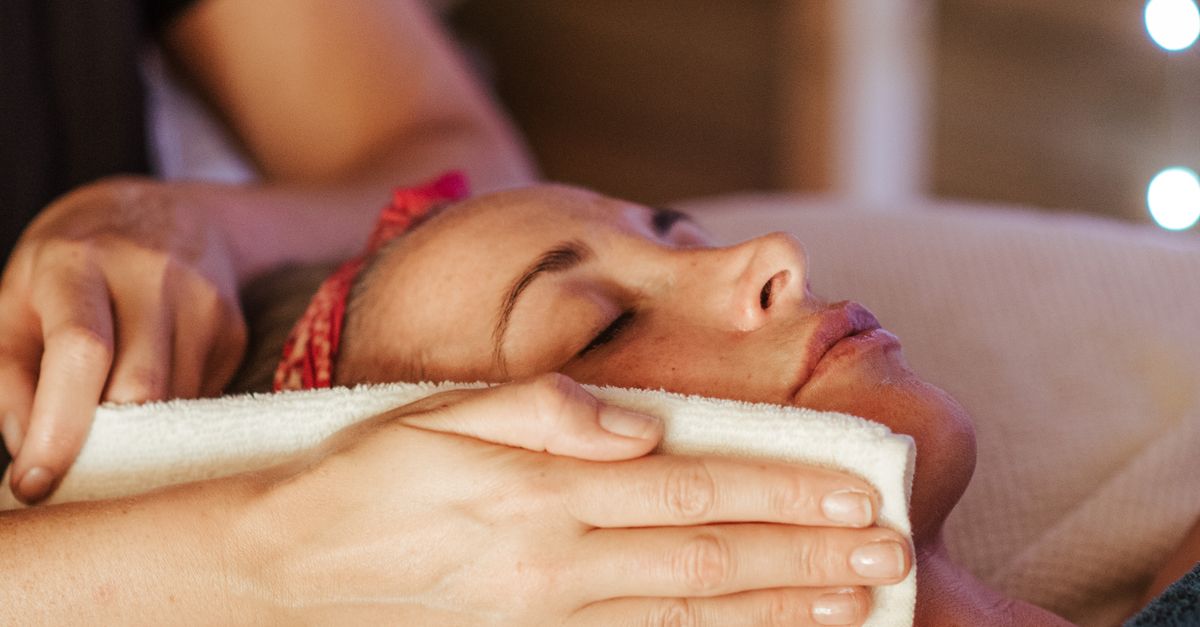
Table Of Contents
The Impact of Hydration on Cellulite
Maintaining adequate hydration levels plays a crucial role in the overall appearance of the skin and can significantly influence the visibility of cellulite. When the body is well-hydrated, skin elasticity improves, helping to minimise the dimpling effect that often accompanies cellulite. Water aids in the detoxification process, flushing out toxins and reducing the likelihood of fluid retention. This can result in a smoother, firmer appearance, making cellulite less pronounced.
Furthermore, hydration supports circulatory health, ensuring that nutrients and oxygen are efficiently delivered to skin cells. Improved circulation may help break down fat cells that contribute to the appearance of cellulite. Incorporating a consistent hydration routine not only benefits the skin's surface but also supports the overall health of the underlying tissues. By prioritising water intake, individuals may observe a positive change in their skin texture and a reduction in the visibility of cellulite over time.
How Water Consumption Affects Skin Appearance
Adequate hydration plays a pivotal role in maintaining the skin's elasticity and overall health. When the body lacks sufficient water, skin may appear dull and dry. This lack of moisture can accentuate the visibility of cellulite, as dehydrated skin fails to plump and conceal underlying tissue structures effectively. Drinking an ample amount of water daily helps to keep the skin supple, which can improve its texture and appearance over time.
Consistently consuming water aids in flushing out toxins and reducing the appearance of puffiness. Hydrated skin typically reflects light more evenly, which can diminish the prominence of uneven skin textures like cellulite. Additionally, proper hydration supports circulation, ensuring that nutrients reach the skin cells, promoting a healthier, more vibrant complexion.
Massage Techniques for Cellulite Reduction
Various massage techniques can aid in the reduction of cellulite by promoting circulation and breaking down fat deposits. These methods often involve the use of specific strokes or movements that target the affected areas. Manual techniques like kneading and rolling can help improve lymphatic drainage, which may result in a smoother skin texture. Additionally, using oils or creams during the massage can enhance the overall experience, allowing for better glide and effectiveness.
Beyond manual methods, devices such as foam rollers or vacuum therapy machines can also be employed to boost results. These tools stimulate the skin and underlying tissues, potentially improving blood flow and contributing to collagen production. Regular application of these techniques may lead to more noticeable improvements over time, making them a valuable addition to any cellulite reduction regimen. Incorporating a variety of approaches can help maintain motivation and address the issue from different angles.
Different Types of Massages to Try
There are several massage techniques that can help in reducing the appearance of cellulite. One popular method is manual lymphatic drainage, which encourages lymph flow and helps to eliminate toxins from the body. This technique involves gentle, rhythmic strokes aimed at stimulating the lymphatic system, ultimately improving circulation and skin tone. Another effective option is deep tissue massage, which targets the deeper layers of muscle. By applying pressure to these areas, it can alleviate tension while promoting blood flow, making it a beneficial choice for those looking to enhance the skin's texture in areas affected by cellulite.
Endermologie is a machine-assisted massage technique that utilises suction and rollers to manipulate the skin and underlying tissues. This method aims to improve circulation and breakdown fat cells, offering a non-invasive approach to reducing cellulite. Additionally, incorporating specialised cupping therapy can also be advantageous. This technique uses suction cups to create a vacuum effect on the skin, helping to smooth out uneven surfaces and improve overall skin elasticity. Each of these methods can be adapted to individual preferences, providing a range of options for those seeking to address cellulite through massage therapy.
Understanding Genetics and Cellulite
Genetics play a significant role in the development and visibility of cellulite. Studies indicate that individuals may inherit a predisposition to fat distribution patterns and connective tissue structure, which can directly influence the likelihood of cellulite formation. Those with a family history of cellulite may find themselves more prone to developing it, regardless of body weight or lifestyle choices. The genetic component can dictate how fat is stored beneath the skin, making it more prominent in some individuals than others.
Heredity impacts not only the physical manifestation of cellulite but also skin elasticity and firmness. Variations in skin quality, influenced by genetic factors, can exacerbate the appearance of cellulite. Additionally, hormonal functions, which are often hereditary, can further affect the development of cellulite, particularly in women. Consequently, understanding these genetic influences can help individuals tailor their approaches to prevention and treatment, recognising that while lifestyle plays a role, genetic factors may be beyond their control.
How Heredity Influences Cellulite Formation
Genetics play a significant role in determining an individual's susceptibility to cellulite. The structure of connective tissue and fat distribution patterns can vary greatly among people, influenced by hereditary factors. If close family members experience cellulite, there is a heightened likelihood that other relatives may have similar issues. This predisposition can make some individuals more prone to developing cellulite, even if they maintain a healthy lifestyle.
Beyond appearance, genetics can also affect skin elasticity and thickness, both of which are crucial in the development of cellulite. Thinner skin may reveal underlying fat deposits more prominently, while genetic variations in collagen and elastin production can also impact skin firmness. Understanding these inherited traits helps to contextualise cellulite as an often unavoidable condition rather than solely a result of lifestyle choices.
FAQS
What is cellulite, and why does it occur?
Cellulite is a term used to describe the dimpled or lumpy appearance of the skin, often found on the thighs, buttocks, and abdomen. It occurs when fat deposits push through the connective tissue beneath the skin, leading to a bumpy texture. Factors such as genetics, hormonal changes, diet, and lifestyle can contribute to its formation.
How does hydration impact the appearance of cellulite?
Proper hydration is essential for maintaining skin elasticity and overall skin health. When the body is well-hydrated, skin can appear plumper and smoother, which may help reduce the visibility of cellulite. Drinking sufficient water helps flush out toxins and can improve circulation, both of which are beneficial for skin appearance.
What types of massage techniques can help reduce cellulite?
There are several massage techniques that may help with cellulite reduction, including lymphatic drainage massage, deep tissue massage, and cupping therapy. These methods can enhance blood flow, break down fat deposits, and improve lymphatic drainage, potentially leading to a smoother skin texture.
Can genetics influence the likelihood of developing cellulite?
Yes, genetics play a significant role in the development of cellulite. If your family members have a history of cellulite, you may be more likely to experience it yourself. Hormonal factors and the structure of connective tissue can also be inherited, affecting how cellulite manifests in the body.
Are there any dietary changes that can support cellulite reduction?
Incorporating a balanced diet rich in fruits, vegetables, lean proteins, and healthy fats can support overall skin health and may help reduce the appearance of cellulite. Foods high in antioxidants and fibre, as well as those that promote hydration, can be particularly beneficial. Reducing processed foods, sugars, and salt can also help decrease water retention and promote smoother skin.
Related Links
Comparing Different Cellulite Treatment Methods Offered in Gold Coast SpasPopular Myths About Cellulite and Wellness Spa Treatments
Client Testimonials: Success Stories from Gold Coast Cellulite Treatments
The Benefits of Combining Cellulite Treatments with Body Scrubs
How Regular Cellulite Treatments Can Transform Your Skin
Top Natural Ingredients Used in Cellulite Treatments at Day Spas
The Role of Diet in Cellulite Management: Insights from Spa Therapists
Understanding the Science Behind Cellulite Treatments in Australia