Combining Aromatherapy Massage with Mindfulness Practices
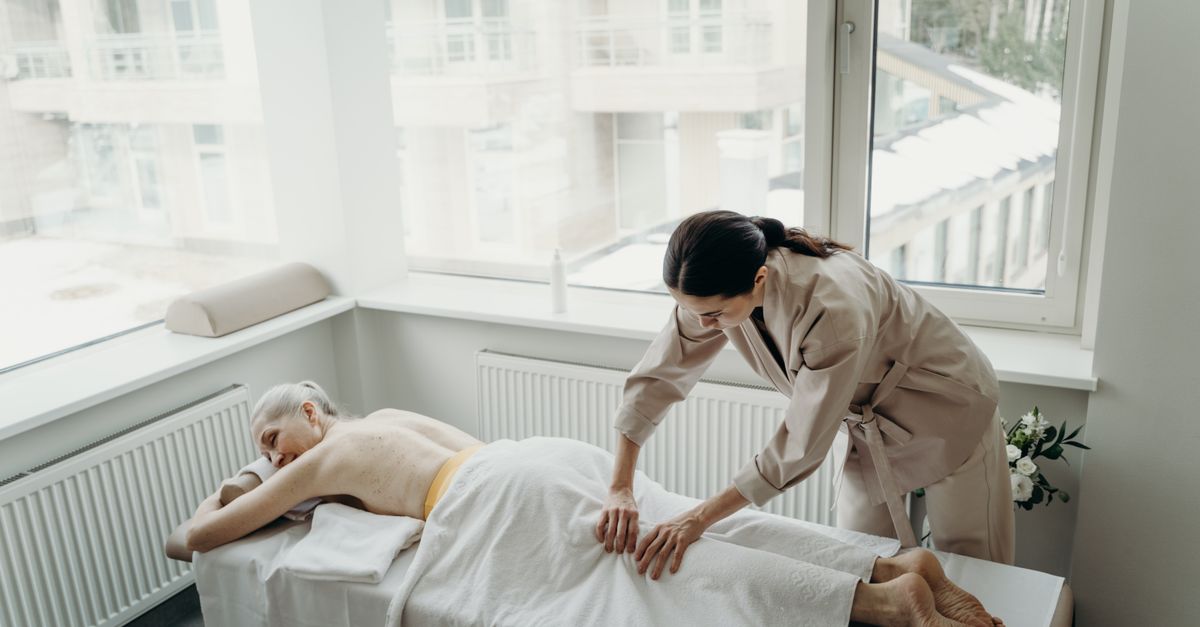
Table Of Contents
Incorporating Mindfulness into Your Massage Routine
Integrating mindfulness into massage opens up a deeper layer of relaxation and self-awareness. Begin by grounding yourself before the session starts. Take a moment to notice your surroundings, the textures of the massage table, and the scents of the essential oils. Focusing on these sensations can help create a calm mental space. As you settle in, acknowledge any tension or stress in your body. This awareness sets the stage for a more fulfilling experience, ensuring you are present throughout the entire process.
During the massage, maintain a focus on your breath. Inhale deeply through the nose, allowing your abdomen to rise, and exhale slowly. This rhythmic breathing acts as a bridge between your mind and body, enhancing the physical sensations of the massage. Pay attention to how each stroke of the therapist’s hands interacts with your muscles. Allow thoughts to come and go without judgement, redirecting your mind back to your breath and the sensations being experienced. This practice cultivates a profound sense of connection with your body, amplifying the benefits of both the massage and mindfulness.
Breathing Exercises to Enhance the Experience
Incorporating specific breathing exercises can significantly enhance the benefits of aromatherapy massage. Focusing on deep, intentional breaths helps calm the mind and body. Begin by inhaling slowly through the nose, allowing the abdomen to expand fully. This creates a sense of grounding and presence. Exhaling through the mouth should be done gently, releasing any tension accumulated in that moment. This practice not only promotes relaxation but also amplifies the effects of essential oils used during the massage.
Another effective technique involves the rhythm of your breath. Matching your inhalation and exhalation to the pace of the massage can create a harmonious experience. For example, if the therapist applies gentle pressure, synchronising a deep breath with this action can deepen relaxation. Conversely, exhaling during transitions or more vigorous movements can assist in releasing any lingering discomfort. Engaging in these mindful breathing exercises allows the session to resonate more profoundly, fostering a greater connection to self-awareness and well-being.
The Role of Intention in Healing
Intention serves as a guiding force during the healing process. Establishing a clear purpose allows individuals to focus their energy and connect more deeply with their body and mind. This sense of direction can foster a more meaningful experience, enhancing the benefits of both aromatherapy and massage. Whether it is for relaxation, stress relief, or emotional healing, identifying a specific intention can lead to greater self-awareness and insight.
The connection between intention and healing becomes evident when individuals articulate their desires before a session. Voicing these intentions can help to reinforce them, creating a powerful mindset. This practice encourages a proactive approach to wellbeing, reminding practitioners that they have agency in their healing journey. By cultivating intention, individuals can create a more profound and transformative experience during their massage.
Setting Your Purpose for the Session
Establishing a clear intention before beginning an aromatherapy massage can significantly enhance the healing process. This could involve focusing on specific areas of tension or seeking emotional clarity. Taking a moment to reflect on what one hopes to achieve helps to align the mind and body, creating a more receptive space for healing energies to flow.
Articulating a purpose may also involve visualisation techniques. Envisioning desirable outcomes can enhance the effectiveness of the massage. As the session progresses, returning to this intention throughout the experience can deepen relaxation and promote mindfulness, leading to a more fulfilling journey towards well-being.
Post-Massage Mindfulness Practices
After a soothing aromatherapy massage, taking time to engage in mindfulness practices can deepen the benefits experienced during the session. Finding a quiet space to sit or lie comfortably allows the body to continue soaking in the relaxation. Focusing on the sensations throughout the body can aid in reconnecting with oneself. Observing how the body feels post-massage can enhance bodily awareness and reinforce the benefits of relaxation.
Journaling thoughts and feelings that arise after the massage session offers a valuable opportunity for self-reflection. Writing about the experience can clarify emotions and insights gained during the massage. Alternatively, practicing gentle stretches while focusing on the breath helps maintain the relaxation effect. Incorporating these practices into one’s routine nurtures the continued benefits beyond the massage, fostering an ongoing connection to well-being.
Reflecting on the Experience
Post-massage reflection holds significant value in understanding the overall benefits gained from the session. Taking a few moments to sit quietly allows individuals to connect with their feelings and sensations. Noting any physical relief or emotional shifts can deepen awareness of the body’s responses. Journalling thoughts or simply breathing deeply can help solidify these insights.
Integrating reflections into daily life can add layers of mindfulness to routine activities. Recognising the impact of the massage experience fosters a greater appreciation for personal well-being. Acknowledging moments of stillness or tension can guide individuals toward healthier choices moving forward. With continued practice, the benefits of aromatherapy and mindfulness can extend well beyond the treatment space.
FAQS
What is aromatherapy massage?
Aromatherapy massage is a type of therapeutic massage that uses essential oils combined with massage techniques to promote relaxation, relieve stress, and enhance overall well-being.
How can mindfulness enhance my massage experience?
Mindfulness can enhance your massage experience by helping you stay present and fully engaged during the session, allowing you to better connect with your body and the sensations you experience.
What breathing exercises can I do before my massage?
Simple breathing exercises such as deep belly breathing or 4-7-8 breathing can help calm your mind and body. Inhale deeply for four seconds, hold for seven seconds, and exhale slowly for eight seconds to promote relaxation.
Why is setting an intention important for my massage?
Setting an intention helps to focus your mind and energy on what you wish to achieve during the massage, whether it be relaxation, pain relief, or emotional healing, allowing for a more tailored and effective experience.
What mindfulness practices can I do after my massage?
After your massage, you can practice mindfulness by reflecting on your experience, journaling your thoughts and feelings, or engaging in gentle yoga or meditation to integrate the benefits of the massage into your daily life.
Related Links
Aromatherapy Massage for Post-Workout RecoveryThe Role of Aromatherapy in Improving Sleep Quality
Essential Oils: The Heart of Effective Aromatherapy Massage
Aromatherapy Massage: A Path to Holistic Healing
Understanding the Science Behind Aromatherapy Massage
Aromatherapy Massage Techniques to Soothe Tension