Choosing the Right Essential Oils for Your Aromatherapy Massage
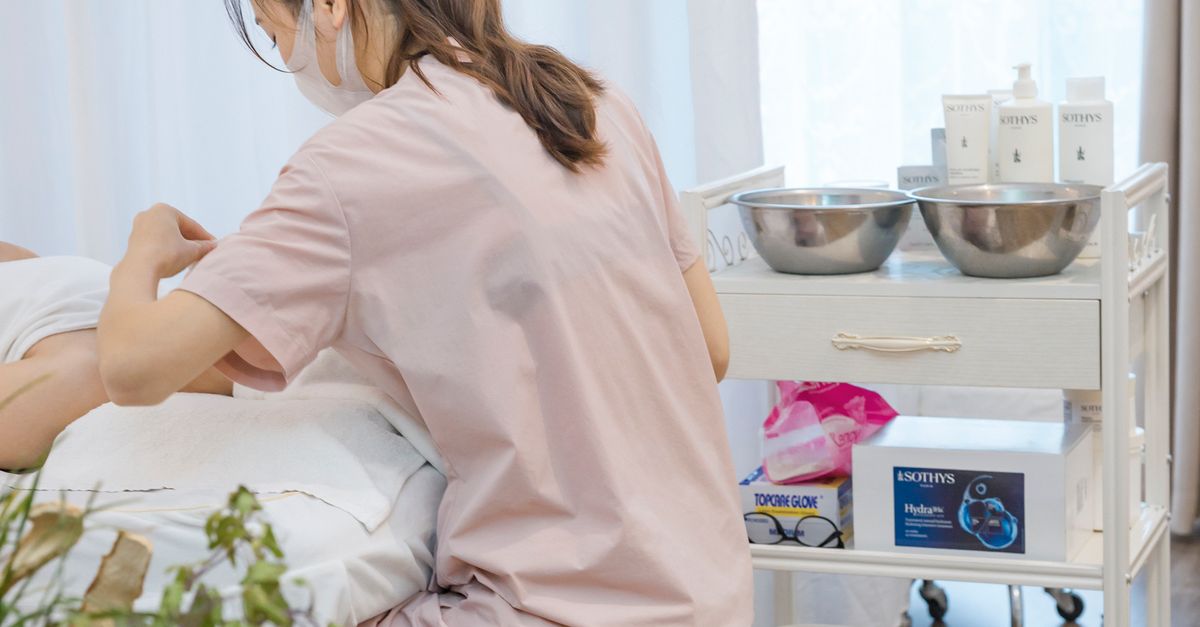
Table Of Contents
Blending Essential Oils
The process of combining essential oils can greatly enhance the benefits of your aromatherapy massage. Each oil possesses unique properties and characteristics, which means that blending them allows for tailored experiences that can address specific physical and emotional needs. For instance, combining lavender oil's calming effects with uplifting citrus oils like bergamot can create a balanced blend that promotes relaxation while also elevating mood. The synergy created in these mixtures often leads to a more profound therapeutic outcome.
When blending, it is essential to consider the properties of each essential oil, including their note classifications. Top notes, like lemon or eucalyptus, tend to have a refreshing aroma that evaporates quickly. Middle notes, such as geranium or rosemary, provide a heartier scent that lingers longer. Base notes, like patchouli or sandalwood, give depth and may ground the blend. By understanding these classifications, you can create harmonious combinations that not only have pleasing scents but also deliver effective therapeutic benefits during massage.
Creating Custom Aromatic Combinations
Finding the ideal blend of essential oils requires careful consideration of the desired effects and individual preferences. Start by selecting a base note, which typically has a grounding effect. Common choices for base notes include sandalwood or patchouli. Next, incorporate middle notes that can help balance the blend. Lavender or geranium might be excellent options for their calming properties. Finally, add a top note like citrus or mint, which can invigorate and refresh, creating a well-rounded aromatic profile.
Once you have chosen the essential oils, experiment with different ratios to discover a combination that resonates with you. A general guideline is to use three to five oils, ensuring that no single scent overpowers the others. Create small test batches to assess how each blend interacts with your body and mood. This approach allows for personalisation, enhancing your overall aromatherapy experience. Keep notes on your favourite combinations for future reference and share them with others who may appreciate your insights.
Sourcing Quality Oils
The quality of essential oils significantly impacts the effectiveness of aromatherapy. Choosing oils that are pure and derived from reputable sources ensures that you receive the full benefits of their therapeutic properties. Look for suppliers who provide clear information about their extraction processes and sourcing methods. A good supplier will often have detailed product descriptions and offer certificates of analysis to validate the purity of their oils.
When selecting essential oils, it is essential to be cautious of synthetic products. Many cheaper options on the market may contain artificial fragrances or additives that can compromise safety and efficacy. Reading labels and understanding the terminology used by manufacturers will help differentiate between genuine essential oils and synthetic alternatives. Investing in high-quality oils not only enhances the therapeutic experience but also contributes to better overall health and wellness during your massage sessions.
Recognising Pure and Synthetic Products
When selecting essential oils, it’s crucial to distinguish between pure and synthetic products. Pure essential oils are derived from natural plant sources through processes like steam distillation or cold pressing. Their complex chemical composition retains the plant’s therapeutic properties. In contrast, synthetic oils are chemically manufactured and lack the aromatic essence of their natural counterparts. They often contain additives, which can diminish the intended benefits and potentially cause skin irritations.
One way to identify pure oils is to read labels carefully. Look for terms such as "100% pure" or "therapeutic grade" on the packaging, which often indicate a commitment to quality. Additionally, reliable brands provide information about sourcing and extraction methods. Choosing oils that are certified organic can further assure customers of their purity. Being informed enables a more beneficial aromatherapy experience, ensuring that your massage sessions are both enjoyable and effective.
Enhancing the Massage Experience
The right essential oils can elevate a massage from a simple physical treatment to a deeply immersive experience. Scents have the power to evoke memories and emotions. When selecting oils, consider their individual therapeutic properties alongside the feelings they inspire. For example, lavender is known for its calming effects, while citrus oils can invigorate and uplift the spirit. Blending oils with complementary scents can enhance this emotional connection.
Creating an atmosphere conducive to relaxation is equally important in maximising the benefits of an aromatherapy massage. Soft lighting, calming music, and comfortable temperatures set the stage for blissful indulgence. A serene environment allows the mind to unwind, enhancing the overall experience. Incorporating the scents of the chosen oils into the room via diffusers or candles can further immerse clients in a sensory escape, making every element of the session work in harmony.
The Importance of Atmosphere
A calming environment plays a crucial role in the effectiveness of an aromatherapy massage. The right atmosphere can enhance relaxation and promote a sense of peace. Soft lighting, comfortable temperatures, and soothing sounds can create an inviting space. Adding decorative elements like plants or calming artwork can also contribute to the overall experience.
Essential oils are powerful tools, but their benefits can be amplified by the surrounding environment. Creating a safe and tranquil setting allows clients to fully immerse themselves in the experience. Paying attention to sensory details, such as gentle background music or the warmth of a heated massage table, helps in establishing a serene atmosphere that encourages deep relaxation and rejuvenation.
FAQS
What are essential oils and how are they used in aromatherapy massages?
Essential oils are concentrated plant extracts that capture the natural fragrance and properties of the plant. In aromatherapy massages, they are used to enhance relaxation, relieve stress, and improve overall well-being by being blended with carrier oils and applied during the massage.
How do I choose the right essential oils for my massage?
Choosing the right essential oils depends on your personal preferences and desired effects. Popular options include lavender for relaxation, peppermint for invigorating energy, and eucalyptus for respiratory benefits. It’s essential to consider your individual needs and possible allergies when selecting oils.
Can I blend different essential oils together?
Yes, blending essential oils can create custom aromatic combinations that enhance your massage experience. Start with a base note, add middle notes, and finish with top notes, ensuring that the scents complement each other. It’s advisable to experiment with small amounts first before committing to larger blends.
How can I ensure the essential oils I buy are of high quality?
To ensure the quality of essential oils, look for products that are labelled as 100% pure and organic. Check for certification from reputable organisations, read customer reviews, and purchase from trusted suppliers. Avoid oils that have synthetic fragrances or additives.
What role does the atmosphere play in the effectiveness of an aromatherapy massage?
The atmosphere is crucial for enhancing the massage experience. A calm, pleasant environment with soft lighting, soothing music, and the right scents can significantly elevate relaxation and emotional well-being. Taking time to create a serene space helps maximise the benefits of the essential oils used.
Related Links
Benefits of Aromatherapy Massage for Stress ReliefHow Aromatherapy Massage Enhances Mood and Wellbeing
Essential Oils: The Heart of Effective Aromatherapy Massage
Aromatherapy Massage: A Path to Holistic Healing
Understanding the Science Behind Aromatherapy Massage
Aromatherapy Massage for Post-Workout Recovery
Combining Aromatherapy Massage with Mindfulness Practices
The Role of Aromatherapy in Improving Sleep Quality